Admin
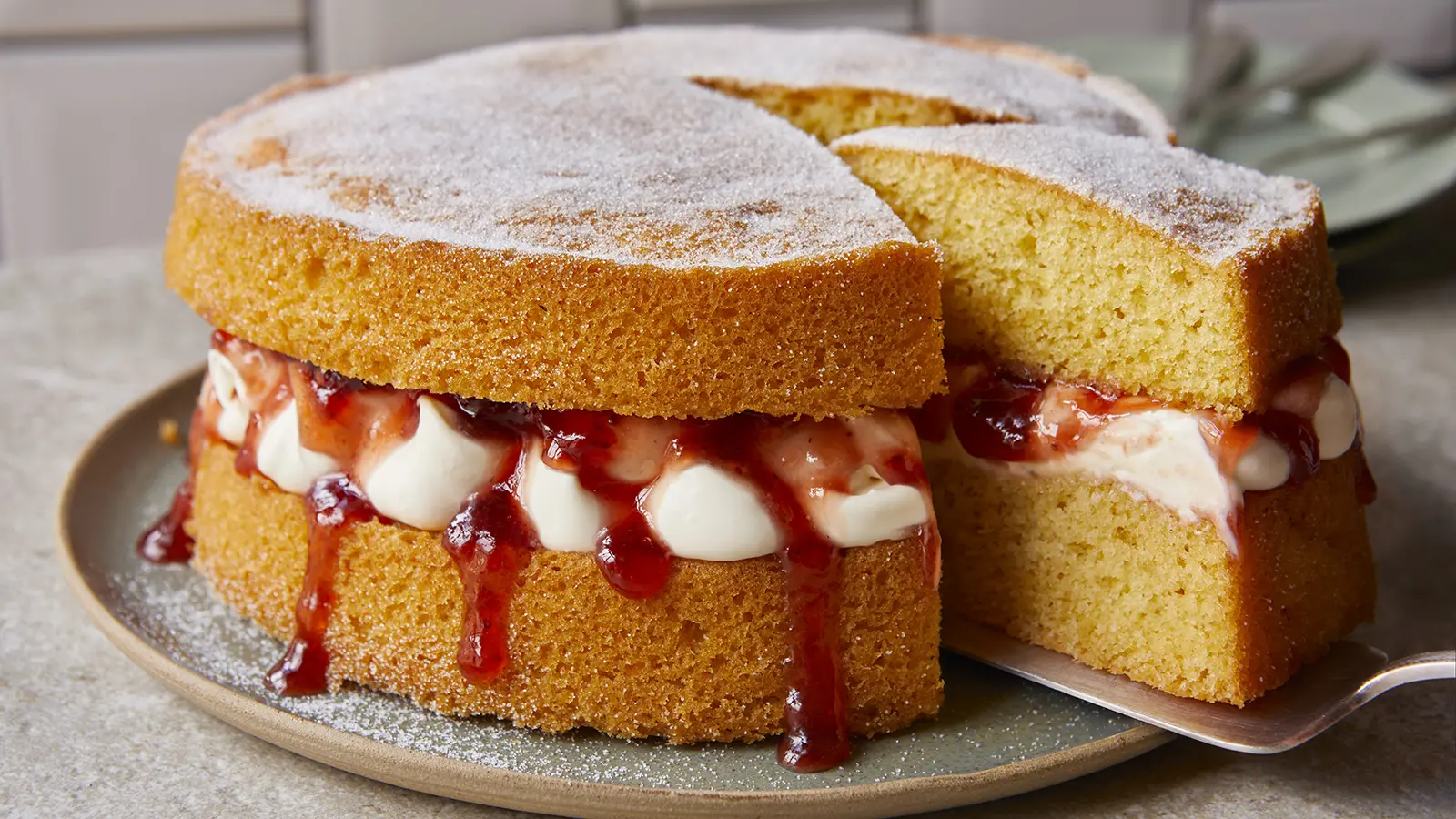
A beautifully decorated cake can transform an ordinary gathering into a memorable celebration. Whether you are preparing a birthday surprise, hosting a family dinner, celebrating an anniversary, or organizing a wedding party, the right decorations can make your dessert look impressive and inviting. A sponge cake is an excellent choice because its light texture, delicate flavor, and versatile structure make it suitable for countless decorating styles. From simple frosting techniques to colorful fruit arrangements, there are many ways to create a stunning cake that matches the occasion.
Decorating does not always require professional baking skills or expensive equipment. With a little creativity, carefully selected ingredients, and a few practical techniques, anyone can turn a homemade cake into an elegant centerpiece.
1. Choose the Right Base for Your Decoration
Before decorating, make sure your sponge cake is completely cool. Applying frosting to a warm cake can cause the cream to melt and slide, making the surface difficult to manage. Allow the cake to cool on a wire rack before beginning the decorating process.
Consider the flavor and structure of your cake when selecting decorations. A classic vanilla sponge pairs well with fresh berries, whipped cream, chocolate, and citrus flavors. Chocolate sponge works beautifully with chocolate ganache, caramel, strawberries, and crushed nuts.
If you are planning a layered cake, trim any uneven edges carefully and spread a thin layer of frosting between the layers. This helps create a stable foundation and makes the finished cake look neat. A level surface is especially important when working with elaborate decorations or smooth frosting finishes.
2. Create an Elegant Finish With Whipped Cream
Whipped cream is one of the easiest ways to decorate a cake without making it look overly complicated. Its soft texture creates a clean, delicate appearance that suits birthdays, afternoon teas, and family celebrations.
To achieve the best results, use chilled whipping cream and beat it until it forms firm peaks. Add a little powdered sugar and vanilla extract for sweetness and flavor. Avoid overwhipping, as the cream can become grainy and difficult to spread.
Use an offset spatula to cover the top and sides of the cake. For a more polished finish, smooth the frosting evenly before adding decorative details. You can also use a piping bag fitted with a star-shaped nozzle to create borders, rosettes, and small swirls.
White whipped cream offers a timeless look, while pastel shades can create a softer and more festive design. If the cake will remain at room temperature for an extended period, choose an appropriate stabilized cream and keep the dessert refrigerated when necessary.
3. Decorate With Fresh Fruits and Berries
Fresh fruit adds natural color, refreshing flavor, and an attractive appearance. It is particularly suitable for spring and summer celebrations, when bright and colorful desserts are popular.
Strawberries, blueberries, raspberries, kiwi slices, peaches, and mandarin segments are excellent options. Arrange them in a circular pattern around the edge, create a small fruit garden in the center, or place sliced strawberries in overlapping rows for a sophisticated finish.
For a simple design, cover the cake with a thin layer of cream and arrange several types of berries on top. Keeping the arrangement balanced helps the decoration look intentional rather than crowded.
Wash fruit thoroughly and dry it before placing it on the frosting. Excess moisture can make the cream watery and affect the cake’s appearance. Add delicate fruit shortly before serving whenever possible to maintain freshness.
For an extra touch of elegance, brush suitable fruits with a light glaze or add a few edible mint leaves. The combination of fresh colors and soft frosting creates an appealing dessert without requiring complicated techniques.
4. Use Chocolate for a Luxurious Appearance
Chocolate decorations are ideal for romantic dinners, milestone birthdays, and formal celebrations. They add richness and create a striking contrast against pale frosting.
Chocolate ganache is a popular option for decorating cakes. Prepare it by combining warm cream with chopped chocolate and stirring until smooth. Allow the mixture to cool slightly before pouring it over the cake. For a drip effect, gently guide small amounts over the edges, allowing them to fall naturally down the sides.
You can also decorate the top with chocolate curls, grated chocolate, or small chocolate pieces. Dark chocolate provides a sophisticated finish, while white chocolate works well with pastel decorations and fresh berries.
For a more dramatic design, alternate chocolate decorations with strawberries or raspberries. However, avoid adding too many elements at once. A few carefully positioned details often look more elegant than a cake covered in decorations.
5. Add Floral Decorations for Special Occasions
Flowers can make a cake look graceful and refined. Floral designs are especially popular for weddings, engagements, anniversaries, bridal showers, and garden parties.
Edible flowers, such as suitable varieties of pansies, violas, and certain rose petals, can add delicate color. Before using any flower, confirm that it is edible and safe for food decoration. Flowers from florists or gardens may contain pesticides or other substances that make them unsuitable for eating.
Arrange a small cluster of edible flowers on one side of the cake rather than covering the entire surface. This asymmetrical approach creates a modern, elegant appearance. You can combine flowers with berries, cream swirls, or subtle green accents for a coordinated design.
If using non-edible flowers as decorative accessories, keep them separated from the food with appropriate food-safe barriers and ensure they cannot accidentally be eaten. Always prioritize food safety when decorating desserts for guests.
6. Experiment With Piping and Decorative Patterns
Piping allows you to add professional-looking details using relatively simple tools. A piping bag and a selection of nozzles can help you create borders, stars, shells, rosettes, and other decorative shapes.
Practice your preferred pattern on parchment paper before applying it to the cake. This gives you a chance to control the pressure and improve consistency. When piping directly onto frosting, work slowly and keep your movements steady.
For a classic design, create a border around the top edge and add small rosettes in the center. For a modern style, use minimal piping and leave plenty of smooth space visible.
You can also experiment with two complementary frosting colors. Place both colors inside a piping bag carefully to create a subtle two-tone effect. Soft pink and white, cream and brown, or pale yellow and ivory can produce attractive results.
Remember that consistency matters more than complexity. Evenly spaced patterns and clean edges can make a simple cake appear carefully crafted.
7. Make a Celebration Cake With Sprinkles and Candies
For children’s birthdays, casual parties, and cheerful family gatherings, colorful sprinkles and candies can make a cake more playful. These decorations are easy to apply and allow plenty of room for creativity.
Cover the cake with buttercream or whipped frosting, then sprinkle small decorations over the top. You can create a rainbow effect by arranging different colors in separate sections or keep the design simple with one or two matching shades.
Chocolate buttons, sugar pearls, and small edible decorations can also create attractive patterns. Place larger pieces strategically so that they do not overwhelm the cake or make individual slices difficult to serve.
For a more refined celebration cake, use metallic-looking edible sugar pearls or subtle white sprinkles. Always check that decorative products are food-safe and suitable for consumption.
8. Choose Decorations That Match the Celebration
The occasion should guide your decorating decisions. A birthday cake can feature colorful frosting, candles, and personalized messages. An anniversary cake may look more elegant with chocolate details, roses, or a simple cream finish.
For weddings and engagement parties, neutral colors, delicate piping, and restrained floral arrangements can create a sophisticated presentation. For seasonal gatherings, use appropriate colors and ingredients, such as berries for summer or warm chocolate tones for autumn.
Personalization can make even a small cake feel special. Write the recipient’s name, add a short message, or choose decorations that reflect their favorite colors and flavors.
Consider the number of guests and the serving arrangements as well. Decorations should enhance the dessert without making it difficult to cut or serve.
9. Avoid Common Cake Decorating Mistakes
A few simple precautions can improve your results. First, never decorate a warm cake, because heat can damage frosting and delicate toppings. Second, avoid applying too much filling between layers, as this may cause the cake to slide or become unstable.
Use a clean spatula and piping equipment to maintain neat edges. If frosting becomes too soft, refrigerate it briefly before continuing. For a smoother finish, apply a thin crumb coat first, chill the cake, and then add the final layer of frosting.
Do not overcrowd the design with every available decoration. Select two or three complementary elements and arrange them thoughtfully. Store the finished cake according to the requirements of its ingredients, especially when it contains cream, custard, or fresh fruit.
Conclusion
Decorating a sponge cake is an opportunity to combine creativity, flavor, and personal style. Whether you choose whipped cream, fresh berries, chocolate ganache, edible flowers, or colorful piping, the key is to create a balanced design that suits the occasion.
Start with a properly cooled cake, select decorations that complement its flavor, and focus on neat presentation rather than unnecessary complexity. With practice, even basic decorating techniques can produce impressive results.
Most importantly, let the celebration inspire your design. A carefully decorated cake does not need to be elaborate to make an impression. Thoughtful details, fresh ingredients, and a little imagination can turn a simple homemade dessert into a beautiful centerpiece that guests will remember.