Water damage can be one of the most devastating problems a property owner can face. From burst pipes and heavy storms to accidental overflows, water intrusion can compromise the structural integrity of a building, damage personal belongings, and create health hazards. Addressing water damage promptly and efficiently is critical, and this is where water damage restoration comes into play. Modern restoration techniques have evolved far beyond traditional drying methods, offering innovative solutions that not only speed up recovery but also prevent secondary damage such as mold growth and material degradation.
Understanding Water Damage and Its Impacts
Water damage comes in different forms and severities. Clean water from a supply line leak is less hazardous than greywater from appliances or blackwater from sewage. Regardless of the source, untreated water can seep into floors, walls, and furniture, weakening materials and creating long-term structural issues. Water damage restoration experts assess the situation carefully to determine the type of water, affected areas, and necessary intervention strategies. This initial evaluation is crucial for planning an effective recovery process.
The consequences of delayed restoration are far-reaching. Moisture trapped in structural elements encourages mold growth, which can lead to respiratory problems and compromise indoor air quality. Wooden structures may warp, metal components can corrode, and electrical systems may fail. Rapid response and innovative water damage restoration methods help mitigate these risks, saving homeowners and businesses significant time and money.
Modern Equipment Revolutionizing Restoration
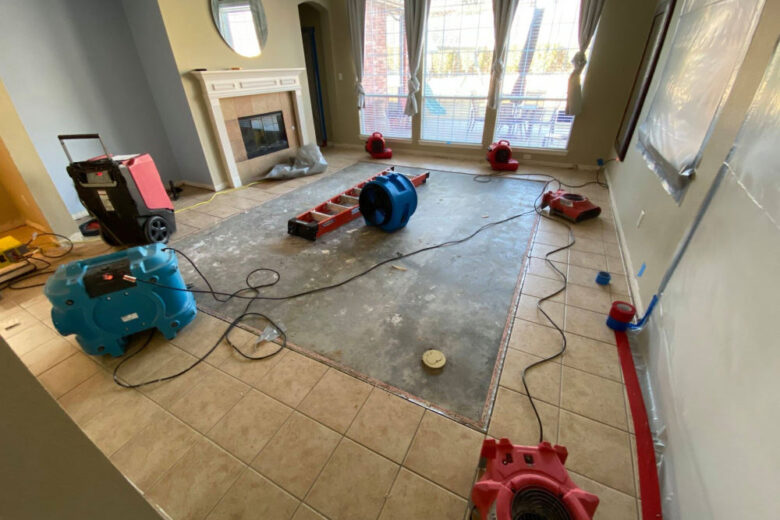
One of the most significant advancements in water damage restoration is the use of specialized drying and extraction equipment. Traditional methods relied on fans and dehumidifiers alone, which could take days or even weeks to fully dry affected areas. Today, advanced water extraction tools can remove thousands of gallons of water efficiently. High-capacity pumps, truck-mounted extraction units, and portable wet vacuums enable restoration professionals to tackle severe flooding quickly and safely.
Equally important are industrial-grade dehumidifiers and air movers. These devices create controlled airflow and reduce humidity levels rapidly, preventing mold growth. Some models are equipped with digital sensors that monitor moisture in walls, floors, and ceilings, allowing restoration teams to track progress in real time. This data-driven approach ensures that no area is left damp, improving overall restoration outcomes.
Moisture Mapping and Thermal Imaging
Innovative water damage restoration techniques now include moisture mapping and thermal imaging. Moisture mapping uses sensors to detect hidden water pockets within structural elements. This allows restoration professionals to pinpoint areas that require targeted drying and treatment, rather than applying a blanket approach that may be ineffective.
Thermal imaging cameras are particularly useful for identifying moisture behind walls or under floors. These cameras detect temperature differences caused by trapped water, revealing hidden damage that could otherwise go unnoticed. By combining moisture mapping and thermal imaging, restoration teams can create a precise plan, improving efficiency and reducing the time needed for recovery.
Advanced Drying Technologies
Traditional drying methods often involve air circulation, which may not reach deep within wall cavities or beneath flooring. Innovative water damage restoration employs advanced drying technologies such as injected drying systems, heat drying, and desiccant dehumidifiers. Injected drying systems deliver warm, dry air directly into wall cavities, removing moisture without causing surface damage. Heat drying accelerates evaporation and is particularly effective for hardwood floors and other water-sensitive materials.
Desiccant dehumidifiers are another game-changer. Unlike conventional refrigerant-based units, desiccant models absorb moisture from the air even in low-temperature environments. This makes them ideal for water damage restoration in basements, crawl spaces, and other challenging areas where conventional drying may be insufficient.
Eco-Friendly and Preventative Solutions
Sustainable practices are becoming increasingly important in water damage restoration. Environmentally friendly cleaning agents and biodegradable anti-microbial treatments are now commonly used to disinfect affected areas without harming the environment. Additionally, some restoration companies integrate preventative solutions, such as waterproof coatings and moisture barriers, to protect structures against future water intrusion.
By combining restoration with preventative measures, homeowners and property managers can reduce the risk of recurring water damage and extend the lifespan of building materials. This proactive approach is a hallmark of modern water damage restoration services, emphasizing not just repair but also resilience.
Specialized Restoration for Sensitive Materials
Certain materials require specialized handling during water damage restoration. Hardwood floors, antique furniture, and electronics cannot always be treated with standard water extraction and drying methods. Innovative restoration techniques include water-safe cleaning agents, freeze-drying for documents, and electronics recovery protocols. For instance, water-logged electronics can sometimes be restored using precise drying chambers and controlled humidity environments, reducing replacement costs.
Similarly, delicate woodwork and furniture benefit from careful moisture balancing and restoration treatments that preserve original finishes. These tailored approaches demonstrate the depth of expertise now available in water damage restoration, ensuring that valuable items are recovered rather than discarded.
Emergency Response and Rapid Recovery
Time is of the essence in water damage restoration. Many modern restoration companies provide 24/7 emergency services to respond immediately to floods, pipe bursts, or storm damage. Rapid assessment, water extraction, and drying reduce long-term damage and prevent secondary issues like mold infestations.
Some companies use mobile response units equipped with advanced extraction and drying tools, allowing teams to begin remediation on-site immediately. This rapid deployment is vital in minimizing downtime for commercial properties and helping homeowners return to safe, dry conditions quickly.
The Role of Technology in Monitoring Progress
Digital monitoring systems are increasingly used in water damage restoration. Sensors placed in affected areas track moisture levels continuously and send data to central monitoring platforms. Restoration professionals can then adjust drying equipment remotely and ensure optimal performance. This technology-driven approach improves transparency, accountability, and overall recovery efficiency.
By leveraging IoT-enabled devices and data analytics, restoration teams can predict potential problem areas, optimize resource allocation, and accelerate the overall restoration timeline. This level of precision was not possible with traditional methods and highlights the transformative impact of technology on the field.
Conclusion
Water damage restoration has advanced significantly, combining cutting-edge equipment, innovative drying technologies, and data-driven strategies to deliver faster and more effective recovery. From moisture mapping and thermal imaging to eco-friendly treatments and tailored solutions for sensitive materials, modern restoration techniques prioritize both speed and quality.
Prompt action, combined with these innovative methods, can prevent structural deterioration, safeguard health, and preserve valuable property. Whether dealing with a flooded basement, storm damage, or plumbing-related water intrusion, investing in professional water damage restoration services ensures rapid recovery and long-term protection. The evolution of these methods represents a new era in property care, where technology, expertise, and innovation converge to restore homes and businesses with unprecedented efficiency.
Water damage restoration is no longer just about drying surfaces; it is a comprehensive, sophisticated process that protects both the building and its occupants, ensuring safety, durability, and peace of mind.