 jackson
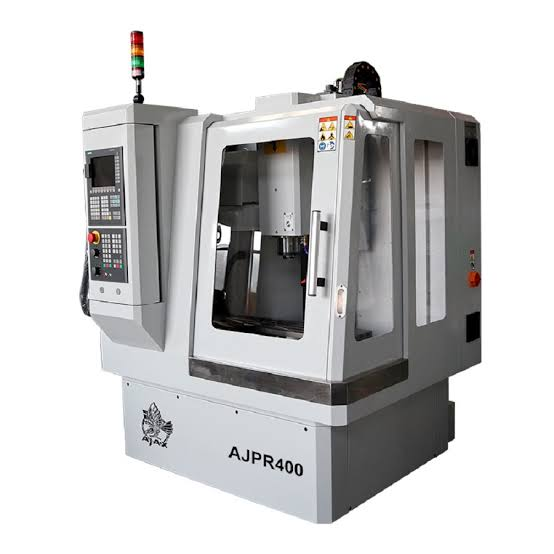
Introduction to Mini CNC Milling
Mini CNC milling is an advanced machining process that uses computer numerical control (CNC) technology to manufacture small, precise, and complex components. These compact machines are Vertical Cnc Milling designed to perform cutting, drilling, shaping, and engraving operations on different materials with excellent accuracy. As industries continue to demand smaller components and more detailed designs, mini CNC milling has become an important solution for workshops, engineering laboratories, product developers, and small manufacturing businesses.
Unlike traditional manual milling machines, a mini CNC milling machine follows programmed instructions to control the movement of cutting tools and workpieces. This automation helps improve consistency, reduce human error, and produce repeatable results. Whether someone is creating a prototype, manufacturing a small mechanical part, or working on a customized product, mini CNC milling offers a practical combination of precision, flexibility, and efficiency.
What Is Mini CNC Milling?
Mini CNC milling is a machining method that removes material from a workpiece using a rotating cutting tool controlled by a computer. The machine follows a digital design or programmed toolpath to create the desired shape. Its compact size makes it suitable for applications where large industrial equipment would be unnecessary, expensive, or difficult to accommodate.
These machines can work with materials such as aluminum, brass, plastics, acrylic, and certain types of steel, depending on the machine’s construction, spindle power, cutting tools, and rigidity.
Mini CNC milling machines are available in different configurations. Some models are designed for educational purposes and hobby projects, while others provide the precision and durability required for professional prototyping and small-scale production.
Key Features of a Mini CNC Milling Machine
Understanding the main features of a mini CNC milling machine helps buyers select equipment that matches their manufacturing requirements.
1. Compact Design
One of the most noticeable advantages is its small footprint. A mini CNC milling machine can often fit on a sturdy workbench, making it useful for small workshops, garages, laboratories, and technical classrooms.
Although these machines occupy less space than conventional industrial milling equipment, their working area and cutting capacity vary between models. Buyers should check the machine’s dimensions and travel distances before making a purchase.
2. Computer-Controlled Precision
Computer numerical control allows the machine to follow programmed movements along multiple axes. This makes it possible to produce detailed components with consistent dimensions.
Accuracy depends on several factors, including machine rigidity, spindle quality, backlash, tool condition, workpiece setup, and calibration. A well-maintained machine with suitable tooling can deliver reliable results for many small-scale machining tasks.
3. Material Compatibility
Mini CNC milling machines can process a variety of materials. Aluminum is popular for lightweight mechanical components, while brass is commonly used for fittings and decorative parts. Plastics and acrylic are useful for prototypes, enclosures, and custom designs.
However, not every mini CNC milling machine can handle every material. Harder metals generally require a more rigid machine, appropriate spindle power, suitable cutting tools, and effective chip management.
4. Digital Design Integration
Many mini CNC milling workflows begin with computer-aided design (CAD) software. The design is then converted into toolpaths using computer-aided manufacturing (CAM) software.
The resulting instructions guide the machine through the cutting process. This digital workflow helps users create repeatable components and modify designs without manually recreating every machining operation.
Common Applications of Mini CNC Milling
Mini CNC milling is used across various industries and technical fields because it can produce detailed components without requiring a large production facility.
Prototyping and Product Development
Engineers and product designers frequently use mini CNC milling to create prototypes before moving to mass production. A physical prototype helps teams evaluate dimensions, fit, appearance, and functionality.
For example, a designer developing a small electronic enclosure can machine a prototype from plastic or aluminum to test component placement and assembly requirements.
Electronics and Electrical Components
Electronic devices often contain compact brackets, mounting plates, connectors, and custom housings. Mini CNC milling can manufacture these parts when the selected machine provides suitable precision and material compatibility.
It is especially useful during product development, when engineers need a limited number of custom components for testing and refinement.
Educational and Research Projects
Technical schools, universities, and engineering laboratories use compact CNC machines to demonstrate machining principles, CAD/CAM workflows, and automated manufacturing.
Students can learn how digital designs become physical objects while developing practical skills in engineering, measurement, programming, and production planning.
Jewelry and Customized Products
Certain mini CNC milling machines can create detailed patterns, molds, decorative components, and customized product features. Applications depend on the spindle, tool size, material, and level of detail required.
For delicate work, careful setup and appropriate cutting strategies are essential to achieve a clean finish.
Small Mechanical Parts
Hobbyists, repair technicians, and small manufacturers may use mini CNC milling to produce spacers, brackets, fixtures, gears, and other compact mechanical components. These machines can be particularly useful when replacement parts are difficult to source or a design requires customization.
Benefits of Using Mini CNC Milling
Cost-Effective Manufacturing
A mini CNC milling machine can provide an affordable entry point into computer-controlled manufacturing. Small businesses may use it to produce prototypes, custom parts, or short production runs without investing in a full-size industrial machining center.
The total cost should include not only the machine but also cutting tools, workholding equipment, software, maintenance, and operator training.
Improved Repeatability
Once a machining program has been tested and optimized, it can be reused to manufacture additional components. This reduces the need to repeat manual measurements and operations for every workpiece.
Repeatability is especially valuable when producing batches of parts that must share similar dimensions.
Greater Design Flexibility
Digital workflows make it easier to modify designs and produce customized components. Users can adjust dimensions, update toolpaths, and test different versions of a product.
This flexibility supports rapid prototyping and encourages experimentation during the development process.
Efficient Use of Workspace
Compact equipment is beneficial for businesses and individuals working in limited spaces. A suitable mini CNC milling machine can provide useful machining capabilities without requiring the floor space of larger equipment.
Reduced Manual Work
CNC automation controls many of the movements involved in machining. Although setup, programming, tool changes, inspection, and supervision remain important, automation can reduce repetitive manual operations and improve workflow consistency.
How to Choose the Right Mini CNC Milling Machine
Selecting the right machine requires careful consideration of the intended applications and available resources.
Define your machining needs. Identify the components you plan to manufacture, their dimensions, and the materials you expect to use. A machine suitable for plastic prototypes may not be appropriate for repeated steel machining.
Check the working area. Review the X-, Y-, and Z-axis travel distances. The machine must have enough clearance to accommodate the workpiece, fixtures, and cutting tools.
Evaluate spindle performance. Spindle speed and power influence which materials and cutting tools can be used effectively. Higher speed is not automatically better; the correct speed depends on the tool diameter, material, and machining operation.
Review machine rigidity. A rigid frame helps minimize vibration and supports better machining quality. This is particularly important when cutting metals or producing components with tight tolerances.
Consider software compatibility. Make sure the machine supports an appropriate controller and a CAD/CAM workflow that fits your skills and project requirements.
Investigate maintenance and support. Availability of replacement parts, technical documentation, compatible tooling, and customer support can influence the long-term value of the equipment.
Essential Safety Practices
Safe operation is a fundamental part of mini CNC milling. Even compact machines contain rotating tools and moving components that can cause injury.
Operators should wear suitable eye protection, secure the workpiece properly, and follow the manufacturer’s safety instructions. Loose clothing, jewelry, and unsecured long hair should be kept away from moving machinery. Never touch a rotating cutting tool or remove chips while the machine is running.
Use appropriate guarding, extraction, and ventilation when required by the material and machining process. Follow the manufacturer’s guidance regarding protective equipment, and avoid using compressed air in ways that could scatter hazardous chips. Beginners should receive proper training before operating the machine independently.
The Future of Mini CNC Milling
The future of mini CNC milling is closely connected to the growth of rapid prototyping, customized manufacturing, and accessible digital design tools. Improvements in controllers, machine construction, software integration, and monitoring systems may make compact machining more efficient and easier to manage.
As more businesses explore small-batch production and product personalization, demand for flexible manufacturing equipment is likely to remain important. Mini CNC milling can support these goals by allowing users to create specialized components, test new designs, and adjust production according to changing requirements.
However, successful results will continue to depend on suitable equipment, sound machining practices, operator knowledge, and quality control.
Conclusion
Mini CNC milling provides a practical way to manufacture small, detailed components using computer-controlled machining. Its compact design, digital workflow, repeatability, and material flexibility make it useful for prototyping, education, product development, and small-scale manufacturing.
Choosing the right machine requires evaluating workpiece size, spindle performance, material compatibility, machine rigidity, software, and overall operating costs. With appropriate equipment, careful setup, and consistent safety practices, mini CNC milling can help individuals and businesses turn digital designs into accurate physical components.
As manufacturing technology continues to evolve, mini CNC milling will remain a valuable option for projects that require precision, flexibility, and efficient use of workspace.
